The bodhran is one of the most recognizable and beloved musical instruments in Ireland. A simple frame drum with a stretched goatskin head, it produces a deep, resonant sound that perfectly complements traditional Irish music. While the bodhran has become synonymous with Irish culture, its history and origins are not widely known. In this article, we will explore the fascinating story behind the bodhran, from its ancient Celtic roots to its modern-day popularity. Whether you’re a seasoned bodhran player or simply curious about this iconic instrument, join us on a journey through the history of the bodhran.
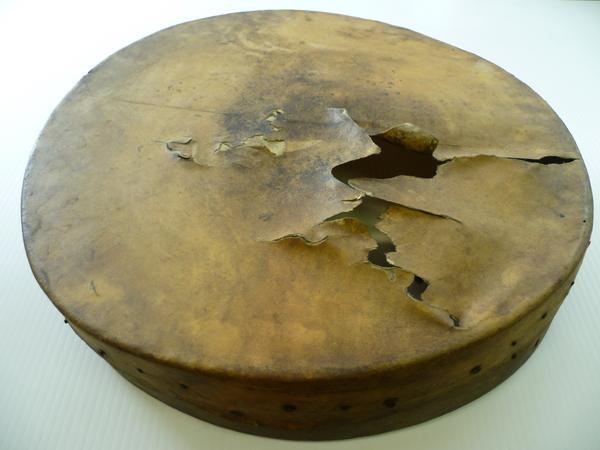
Much like the morris dancing tradition in the UK, little has been well recorded on the true history of the Bodhran in Ireland beyond recent generations and word of mouth. For this reason little is known for sure about the deep origins of the drum. At the same time this doesn’t cost too many of us a great deal of sleep. That’s because frame drums (like the bodhran) are a modern development on the ancient tradition of stretching skin over wood and banging it. Being part of that connects us to our ancestors, to our traditions and our drive to lovingly improve on what’s come before. It doesn’t matter too much that we don’t know the details and we’re happy to fill in some of the blanks.
The frame drum is a percussion instrument with a round frame that is covered with animal skin or other material. It is a rudimentary drum played by striking the skin with the hand or a stick, creating a rhythmic beat. The frame drum is found in many different cultures and has been used in religious, ceremonial, and entertainment contexts for thousands of years.
The Origins of the Bodhran
It has been contested that the bodhran either originated as a frame drum brought over by the Celts. The ancient Celtic peoples had a rich musical tradition, which included the use of drums. One of the most important types of drums in Celtic music was the frame drum, which arrived in Ireland during the early Middle Ages.
Either this or the drum was only developed in the 19th century as a cheap and simple version of the tambourine. In rural places bones, skins and spoons were often used to improvise percussion instruments, of which gave rise to the drums, bones and spoons that we still know today.
The word Bodhrán, it is said, literally means “drum”. It is pronounced “bow-rawn” in Ireland
Here’s a fantastic video of a Wren Boy discussing how to fashion a bodhran from goat skin and a barrel rim from 1966.
In any case, the frame drum evolved into the bodhran, a distinctive Irish drum that is still used in traditional music today. The bodhran frame has a goatskin stretched over the frame and (originally would have been) held in place with wooden pegs. It is played with a short stick called a tipper, which is used to strike the skin in a variety of rhythmic patterns.
Regional variations in design and playing styles:
As the bodhran became more widely used in Ireland, regional variations in design and playing styles began to emerge. In some areas, bodhrans were made with intricate designs and decorations, while in others, they were more plain in appearance. The playing style of the bodhran also varied from region to region, with some players using their hands to strike the drum and others using specialized beaters. The different playing styles and designs gave the bodhran a unique character that reflected the diverse musical traditions of Ireland.
The influence of Irish dance music and the introduction of jigs and reels
The introduction of jigs and reels in the 18th and 19th centuries had a significant impact on the bodhran’s evolution. As these fast-paced dance tunes gained popularity, bodhran players began to adapt their playing styles to match the rhythmic patterns of the music. They began to play the drum in a more percussive manner, using their hands or specialised beaters to create a driving rhythm that underpinned the melodies played by other instruments. This new style of bodhran playing became an integral part of Irish dance music, and the bodhran’s popularity continued to grow.
The Wren Boys
The Wren Boys were a group of traditional Irish musicians who played an important role in the development of the bodhrán in Ireland during the 1800s and early 1900s. They were known for their unique style of music, which featured the bodhrán as a central instrument. The Wren Boys experimented with different playing techniques and rhythms, refining the sound of the instrument and establishing it as an essential part of traditional Irish music.
One of the most influential members of the Wren Boys was Packie Manus Byrne became renowned as one of the greatest bodhrán players of all time. Byrne’s innovative playing style involved intricate fingerwork and a variety of different rhythms and patterns, helping to elevate the bodhrán to new heights of popularity. His contributions to the development of the instrument were significant and continue to be celebrated in Irish music to this day. Together, the Wren Boys and Byrne played a vital role in the development and popularisation of the bodhrán in Ireland.
The folk revival
Despite this, the drum remained relatively unrefined and undeveloped beyond its early form for centuries. In modern times the bodhran became somewhat forgotten until it experienced a resurgence in the early 1900s followed by a popularity explosion during the folk music revival in Ireland in the mid-20th century.

During this time, there was a renewed interest in traditional Irish music, and musicians began to explore and revive old instruments and playing styles. The bodhrán was one of the instruments that experienced a resurgence in popularity, and it became a staple of Irish traditional music once again.
One of the key figures in the revival of the bodhrán was a musician named Seán Ó Riada. Ó Riada was a composer and musicologist who was deeply interested in traditional Irish music, and he helped to bring the bodhrán back into the mainstream. He incorporated the instrument into his own compositions and encouraged other musicians to do the same, helping to establish the bodhrán as an essential part of Irish music.
Other musicians also played a role in the revival of the bodhrán. For example, the legendary Irish group The Chieftains began to use the instrument in their music in the 1960s, helping to popularise it further. The bodhrán became a symbol of Irish identity and culture, and it was embraced by musicians and audiences alike.
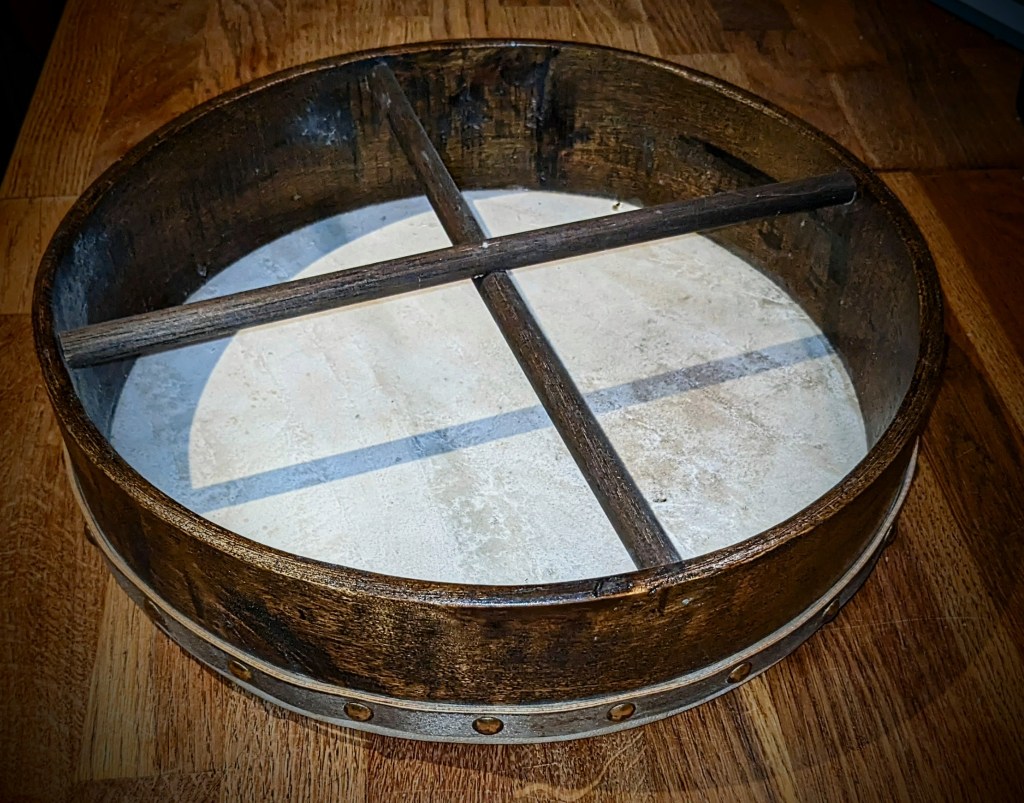
Today the bodhran continues to be an important part of Irish music tradition, and is ever growing in popularity. It is used in a variety of musical genres, from traditional Irish music to contemporary folk, pop and even rock music. The instrument has also gained popularity outside of Ireland, and can be heard in music from around the world.
The modernisation of bodhran construction and technique
In the 20th century, the bodhran underwent a modernisation process as musicians began to experiment with new construction techniques and playing styles. Some bodhran makers began to use synthetic heads, which offered greater durability and consistency of tone. Others began to make bodhrans with tunable frames, which allowed players to adjust the drum’s pitch and tone. Alongside these advances in construction, bodhran playing techniques also evolved. Some players began to incorporate more complex rhythms and techniques into their playing, such as the use of cross rhythms and off-beat accents. Today, bodhran playing is a highly skilled art form that continues to evolve and grow in popularity both in Ireland and around the world.
The change in playing styles
The evolution of the bodhran has also been closely tied to changes in playing styles and techniques. Early bodhran players often played the drum with their hands, using a variety of techniques to produce different sounds and rhythms. As the bodhran became more popular in traditional Irish music, players began to experiment with new playing styles and techniques. In the early 20th century, the use of double-ended sticks became popular, allowing players to create a more percussive sound and play faster rhythms. This style of playing remained popular for many years and is still used by some bodhran players today. However, over the past 10 or 15 years, there has been a shift towards a single-ended playing style, with players using a single stick or tipper to strike the drum. This style of playing allows for more precision and control, and has become popular among many of the top bodhran players in Ireland and around the world. The evolution of bodhran playing techniques has helped to keep this traditional instrument relevant and exciting for modern audiences.
Cultural Significance of the Bodhran
In recent years, the bodhran has become a symbol of Irish identity and pride. The instrument is often featured in tourism advertising campaigns and is a fixture at cultural events and festivals. Bodhran-making has also become an important industry in Ireland, with many skilled craftsmen and women producing high-quality instruments for both professional and amateur players.
 Bodhran Player